
History of the Okun People
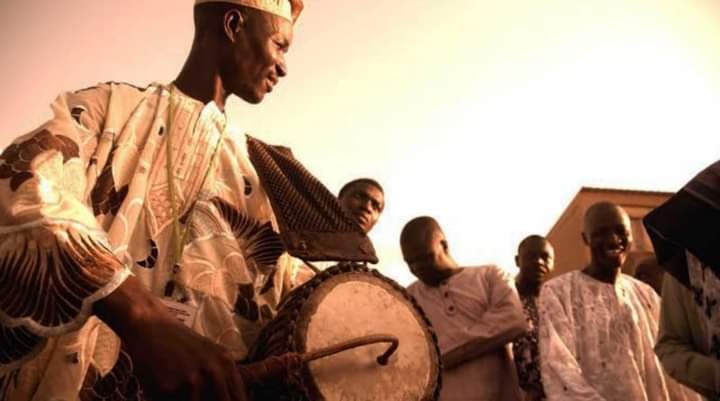
The Okun people are a Yoruba-speaking ethnic group indigenous to the western part of present-day Kogi State in central Nigeria. Known for their rich cultural heritage, complex traditional institutions, and historical connections to the broader Yoruba world, the Okun have maintained a distinct identity shaped by migration, settlement, and long-standing interaction with neighboring peoples.
Origins and Yoruba Ancestry
The origins of the Okun people are closely linked to Yoruba migration traditions. Oral histories trace their ancestry to early Yoruba settlers who migrated northward from Ile-Ife, the spiritual homeland of the Yoruba people. These migrations occurred over several centuries, resulting in the establishment of independent Okun communities across what is now Kogi West.
Despite geographic separation from other Yoruba groups, the Okun retained key elements of Yoruba language, customs, and social organization, while also developing unique local traditions influenced by their environment and interactions with non-Yoruba neighbors.
Settlement and Community Formation
The Okun settled in fertile valleys and hilly regions that provided natural protection and agricultural opportunities. Major Okun communities include Kabba, Yagba, Ijumu, Bunu, and Oworo areas. Each developed as an autonomous entity with its own leadership structures and cultural expressions.
Agriculture formed the backbone of the Okun economy, with crops such as yam, maize, and cassava cultivated extensively. Trade with neighboring Igala, Ebira, and Nupe communities further strengthened economic and cultural exchange.
Traditional Political Institutions
Traditional governance among the Okun people was organized around monarchs, councils of chiefs, and community elders. Rulers such as the Obaro of Kabba, Oba of Yagba, and other traditional heads served as custodians of culture, land, and justice within their domains.
Unlike centralized kingdoms, Okun political organization emphasized local autonomy. Each community managed its affairs independently, though cultural ties and shared ancestry fostered unity across the region.
Culture, Language, and Social Life
The Okun speak a group of Yoruba dialects collectively known as the Okun language cluster. While closely related to standard Yoruba, these dialects reflect centuries of linguistic evolution and local influence.
Cultural life among the Okun is marked by festivals, masquerade traditions, music, and oral literature. These cultural expressions serve religious, social, and historical functions, reinforcing moral values and community identity.
Family structure and communal responsibility play a central role in Okun society. Respect for elders, lineage ties, and communal cooperation remain defining characteristics.
Interactions With Neighboring Peoples
Historically, the Okun maintained extensive interactions with neighboring ethnic groups, including the Igala, Ebira, Nupe, and northern Yoruba communities. These interactions occurred through trade, intermarriage, diplomacy, and, at times, conflict.
Such engagements influenced Okun political organization, cultural practices, and economic activities, while preserving a distinct Yoruba identity within a multi-ethnic region.
Colonial Era and Administrative Changes
British colonial rule in the late 19th and early 20th centuries introduced new administrative structures that altered traditional governance among the Okun. Indigenous political institutions were incorporated into colonial administration, often redefining the roles of traditional rulers.
Western education, Christianity, and modern economic systems gradually transformed Okun society, leading to the emergence of a new educated elite while traditional institutions adapted to changing realities.
The Okun People in Modern Nigeria
In contemporary Nigeria, the Okun people are an important cultural and political group within Kogi State. They have produced notable figures in politics, academia, the arts, and public service.
Despite modernization, Okun communities continue to preserve their cultural heritage through festivals, traditional councils, language advocacy, and historical documentation. Efforts to promote Okun unity and identity remain central to community development.
Historical Significance and Identity
The history of the Okun people reflects a narrative of migration, adaptation, and cultural resilience. Rooted in Yoruba ancestry yet shaped by their unique geographical and historical context, the Okun have maintained a strong sense of identity across generations.
Their story remains a vital part of Kogi State’s diverse cultural landscape and Nigeria’s broader historical narrative.

