
History of the Bassa People
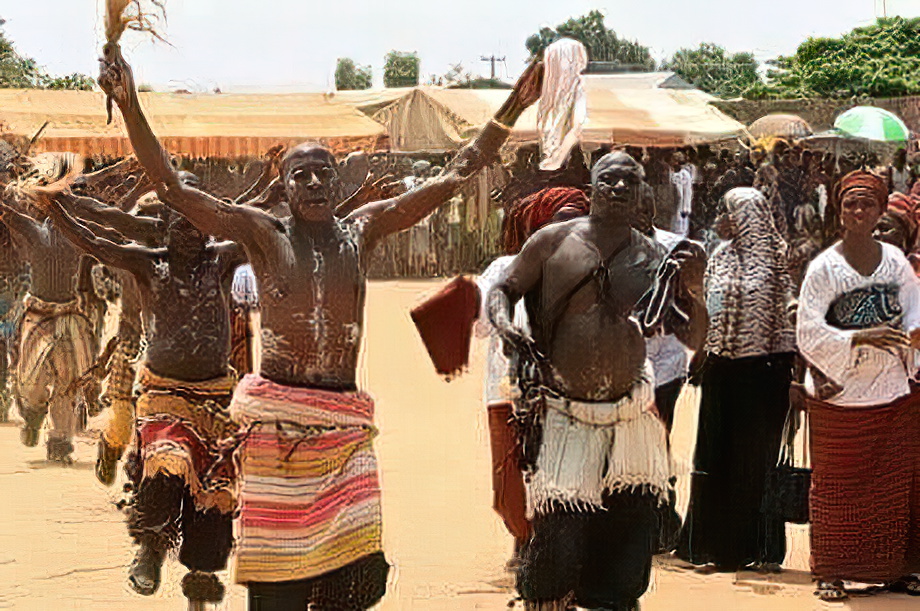
The Bassa people are one of the indigenous ethnic groups of central Nigeria, with a long history rooted in migration, settlement, and cultural resilience. In Kogi State, the Bassa are primarily found in Bassa Local Government Area and surrounding communities along the Niger–Benue corridor. Their history reflects a people shaped by movement, adaptation, and sustained interaction with neighboring ethnic groups.
Origins and Migration Traditions
Oral traditions among the Bassa people trace their origins to ancient migratory movements from regions east and north of their present settlements. These migrations are believed to have occurred over several centuries, as ancestral groups moved in search of fertile land, water resources, and security.
As they migrated, the Bassa established settlements along river valleys and forested areas, gradually forming distinct communities united by shared language, customs, and ancestry. Over time, these groups developed a collective identity now recognized as the Bassa people.
Early Settlement and Way of Life
The Bassa settled in areas that provided access to rivers, fertile soil, and natural resources. Agriculture became the foundation of their economy, with farming, fishing, and hunting forming the primary means of livelihood.
Crops such as yam, cassava, maize, and vegetables were cultivated, while fishing along the Niger and Benue rivers supplemented food production. Craftsmanship, including weaving and local trade, also contributed to economic life.
Traditional Political Organization
Traditional Bassa society was organized around clans, family heads, and councils of elders. Governance was largely decentralized, with leadership exercised at the community level rather than through a centralized monarchy.
Authority rested on age, wisdom, and communal respect. Decisions affecting the community were made collectively, emphasizing consensus and social harmony. This system allowed the Bassa to manage internal affairs effectively while maintaining strong communal bonds.
Culture, Beliefs, and Social Institutions
Bassa culture is deeply rooted in traditional beliefs, ancestral reverence, and communal values. Spiritual life traditionally centered on a supreme creator, ancestral spirits, and protective forces believed to influence daily life.
Festivals, rites of passage, and ceremonial practices played important roles in preserving history, reinforcing moral values, and strengthening community identity. Music, dance, and oral storytelling served as key tools for transmitting cultural knowledge across generations.
Family and kinship ties remain central to Bassa society, with strong emphasis placed on cooperation, respect for elders, and collective responsibility.
Relations With Neighboring Peoples
Historically, the Bassa interacted extensively with neighboring ethnic groups such as the Igala, Ebira, Nupe, and other communities in the Niger–Benue region. These interactions occurred through trade, intermarriage, diplomacy, and occasional conflict.
Such relationships influenced cultural exchange while allowing the Bassa to maintain a distinct identity within a multi-ethnic environment.
Colonial Era and Administrative Changes
The advent of British colonial rule in the early 20th century introduced new administrative systems that reshaped traditional governance among the Bassa. Indigenous political structures were integrated into colonial administration, altering leadership roles and authority.
Western education, Christianity, and modern economic systems gradually transformed social life, but traditional customs and institutions continued to coexist alongside new influences.
The Bassa People in Modern Nigeria
Today, the Bassa people are an important part of Kogi State’s cultural and social fabric. They participate actively in agriculture, commerce, public service, and community development.
Modern Bassa society reflects a balance between tradition and contemporary life, with ongoing efforts to preserve language, customs, and cultural heritage through festivals, community associations, and historical documentation.
Historical Significance and Legacy
The history of the Bassa people is marked by endurance, adaptability, and strong communal values. From early migration and settlement to modern statehood, the Bassa have maintained a distinct identity rooted in tradition, cooperation, and cultural continuity.
Their story forms an essential part of the diverse historical and cultural landscape of Kogi State and central Nigeria.

