
History of the Ebira People
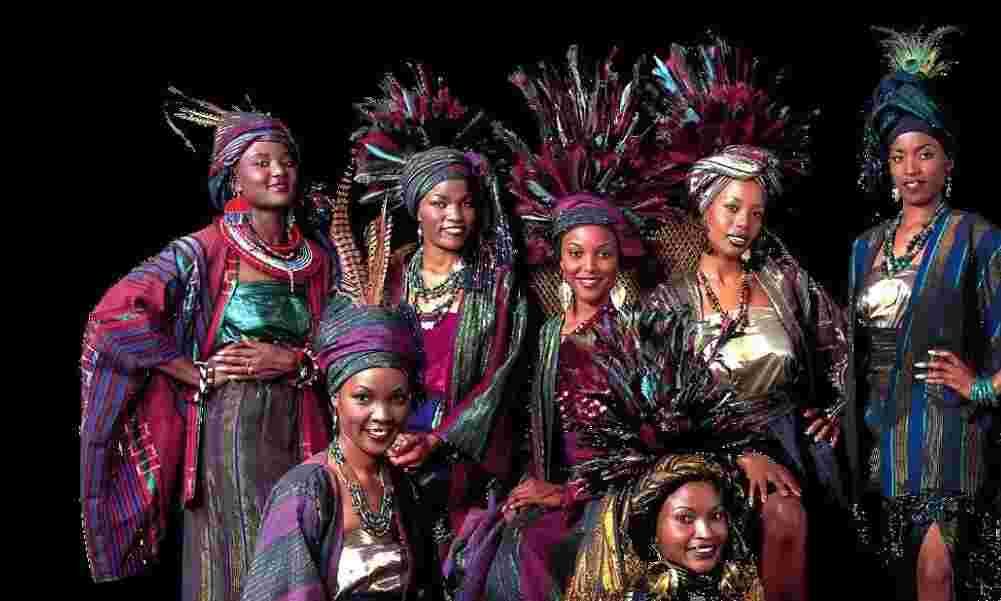
The Ebira people are one of the major ethnic groups of central Nigeria, renowned for their complex social organization, rich cultural traditions, and long-standing presence in what is now Kogi State. Predominantly located in the central part of the state, the Ebira have played a significant role in the political, cultural, and economic history of the Niger–Benue region.
Origins and Migration Traditions
The origins of the Ebira people are preserved mainly through oral traditions, which point to a gradual southward migration over several centuries. These traditions suggest that early Ebira ancestors migrated from the north-eastern regions of Africa, passing through areas around the Nile basin and the Kwararafa confederacy before settling in the hills and plains of central Nigeria.
Over time, the migrating groups settled in strategic locations that offered natural protection and fertile land. These settlements eventually evolved into autonomous communities united by language, shared ancestry, and cultural values, giving rise to what is now recognized as Ebira identity.
Early Settlement in Present Day Kogi State
The Ebira established themselves firmly in the area now known as Ebira land, with Okene emerging as a central hub of social and economic activity. The region’s terrain—characterized by hills and rocky landscapes—played a key role in shaping Ebira defensive strategies and settlement patterns.
Agriculture, hunting, and craftsmanship formed the backbone of the early Ebira economy. The people cultivated crops such as yam, millet, and guinea corn, while local artisans were known for weaving, blacksmithing, and pottery.
Traditional Political Structure
Unlike centralized kingdoms found among some neighboring ethnic groups, traditional Ebira society operated through a decentralized system of governance. Authority was vested in clan heads, elders, and councils who collectively managed community affairs.
This system emphasized consultation, consensus, and communal responsibility. Leadership was earned through age, wisdom, bravery, and service rather than inherited monarchy. This political structure allowed Ebira communities to maintain internal autonomy while fostering strong social cohesion.
Cultural Practices and Beliefs
Ebira culture is rich in festivals, masquerades, and ceremonial practices that reflect deep spiritual beliefs and social values. Masquerade traditions serve religious, judicial, and entertainment purposes, reinforcing moral discipline and communal harmony.
Ancestral reverence occupies a central place in Ebira spirituality, with ancestors believed to influence the living and protect the community. Music, dance, and oral storytelling have historically been used to preserve history and transmit cultural knowledge across generations.
Contact With External Powers
The Ebira came into contact with various neighboring groups through trade, diplomacy, and conflict. These interactions influenced Ebira culture, language, and economic practices while maintaining a strong sense of identity.
Colonial administration in the early 20th century introduced new political structures that altered traditional governance systems. British authorities eventually recognized the need for centralized leadership, leading to the creation of formal traditional institutions.
Establishment of the Ohinoyi of Ebira
In response to administrative demands, the traditional stool of the Ohinoyi of Ebira was formally established in the mid-20th century. The Ohinoyi serves as the paramount traditional ruler of the Ebira people, symbolizing unity among the various clans and communities.
Though the institution is relatively recent compared to ancient monarchies, it plays a vital role in cultural preservation, conflict resolution, and representation of Ebira interests.
Ebira People in Contemporary Nigeria
Today, the Ebira people are an integral part of Nigeria’s political, economic, and cultural landscape. They have produced notable figures in governance, education, business, and the arts. Modern Ebira society reflects a blend of traditional values and contemporary influences.
Efforts to preserve Ebira language, customs, and heritage continue through cultural festivals, traditional councils, and academic research.
Historical Significance and Legacy
The history of the Ebira people illustrates a story of resilience, adaptation, and communal strength. From early migration and settlement to modern statehood, the Ebira have maintained a strong identity rooted in culture, cooperation, and tradition.
Their contribution to the development of Kogi State and Nigeria at large remains significant, making Ebira history an essential part of the region’s collective heritage.

