
History of Kogi State
Introduction
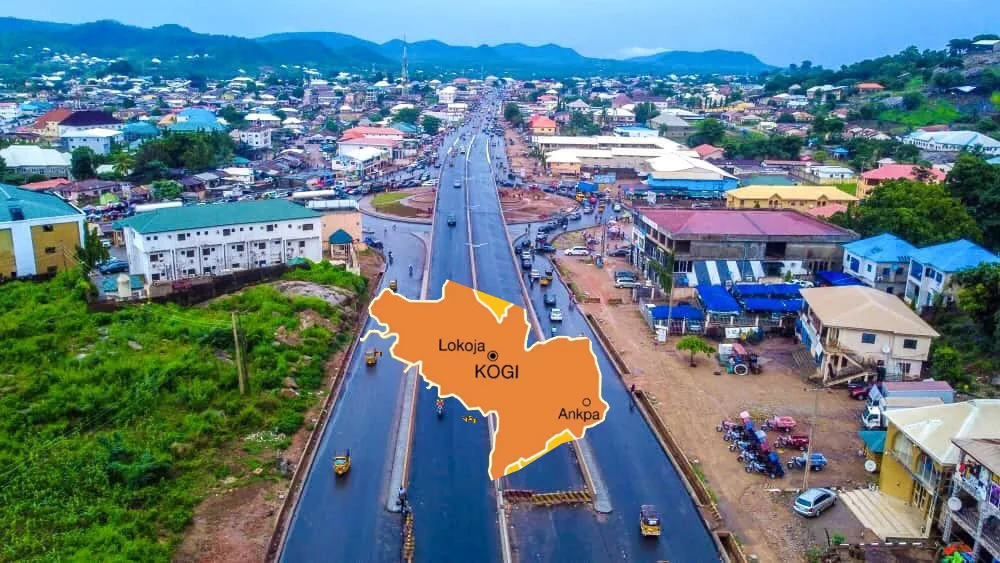
Kogi State, often described as the Confluence State, occupies a unique place in Nigeria’s history. It is the point where the two great rivers of West Africa—River Niger and River Benue—meet, forming a natural crossroads for trade, culture, migration, and political development long before colonial rule. Officially created in 1991, the historical roots of Kogi State stretch back centuries, shaped by powerful kingdoms, diverse ethnic groups, and strategic geography.
Pre-Colonial History
Before the arrival of European colonial powers, the area now known as Kogi State was home to several advanced and organized societies. These societies developed systems of governance, trade networks, spiritual beliefs, and cultural traditions that still influence the region today.
Major Ethnic Civilizations
The three dominant ethnic groups in the region are:
-
Igala
-
Ebira
-
Okun (Yoruba-speaking communities)
Other minority groups such as Bassa, Nupe, Kakanda, and Oworo also played important roles in the area’s development.
The Igala Kingdom, with its capital at Idah, emerged as one of the most powerful pre-colonial states in the Niger-Benue region. The kingdom was ruled by the Attah of Igala, whose authority extended over large territories and controlled vital river trade routes.
The Ebira people settled mainly in the central part of the state and developed a strong communal system centered on farming, craftsmanship, and later, organized resistance to external domination.
The Okun people, culturally linked to the Yoruba civilization, established towns and settlements with strong traditions in art, religion, and local administration.
Trade and Strategic Importance
The geographical position of Kogi made it a major hub for:
-
River transportation
-
Trade between northern and southern Nigeria
-
Cultural interaction among different ethnic groups
Merchants traded agricultural produce, crafts, salt, and other goods through river and land routes. This interaction helped shape Kogi as one of the most culturally diverse regions in Nigeria.
Colonial Era
British colonial influence reached the region in the late 19th and early 20th centuries. The area was gradually incorporated into the Northern Protectorate of Nigeria.
The British employed indirect rule, governing through traditional rulers such as:
-
The Attah of Igala
-
District heads and chiefs across Ebira and Okun areas
Colonial administration introduced:
-
Western education
-
Christianity and Islam expansion
-
New administrative boundaries
-
Cash crop farming
However, colonial rule also disrupted traditional systems, imposed taxes, and led to resistance in some communities, especially among the Ebira people.
Post-Colonial Developments
After Nigeria gained independence in 1960, the area that later became Kogi State was divided among different administrative regions and states:
-
Kwara State
-
Benue State
-
Niger State
This division created challenges in administration, development planning, and political representation for the people of the area.
Creation of Kogi State
Kogi State was officially created on 27 August 1991 by the military government of General Ibrahim Badamasi Babangida.
The new state was carved out of:
-
Parts of Kwara State
-
Parts of Benue State
Lokoja was chosen as the state capital due to its:
-
Central location
-
Historical significance
-
Proximity to the Niger-Benue confluence
The creation of Kogi State was welcomed as a unifying step that brought together diverse ethnic groups under one administrative identity.
Cultural Diversity and Unity
One of Kogi State’s defining features is its ethnic and cultural diversity. Despite differences in language and traditions, the people share:
-
Similar agricultural lifestyles
-
Interconnected markets
-
Intermarriage
-
Shared historical experiences
Major festivals, traditional institutions, and cultural practices continue to promote unity across the state.
Modern Kogi State
Since its creation, Kogi State has evolved politically, economically, and socially. The state is known for:
-
Agriculture (yam, cassava, rice, cashew)
-
Solid minerals such as limestone, coal, and iron ore
-
Strategic transportation routes linking northern and southern Nigeria
Kogi’s historical identity as a meeting point of peoples remains central to its role in modern Nigeria.
Conclusion
The history of Kogi State is a story of confluence—not just of rivers, but of cultures, peoples, and civilizations. From ancient kingdoms and vibrant trade routes to colonial administration and modern statehood, Kogi’s past continues to shape its present. Understanding this history provides deeper insight into the state’s diversity, resilience, and enduring importance within Nigeria.

