
History of the Igala People
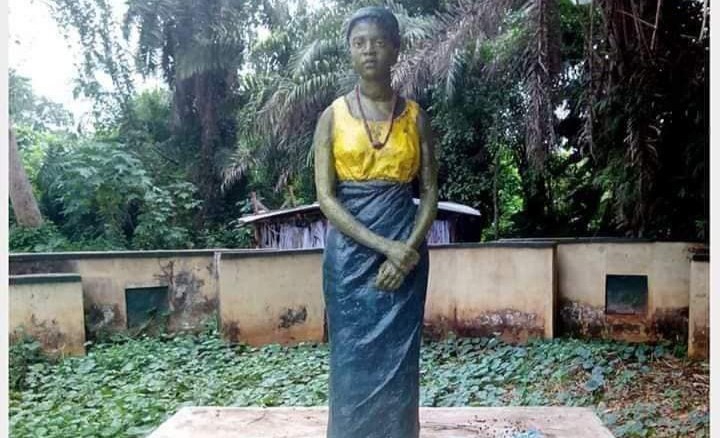
The Igala people are one of the most historically significant ethnic groups in central Nigeria, known for their early state formation, rich cultural institutions, and enduring political structure. Predominantly found in present-day Kogi State, the Igala occupy the eastern flank of the Niger–Benue confluence, a location that has shaped their history, economy, and interactions with neighboring societies for centuries.
Origins and Early Settlement
The origins of the Igala people are deeply rooted in oral traditions, archaeological findings, and historical narratives passed down through generations. While scholars debate the exact beginnings of the Igala, most traditions trace their ancestry to a mixture of indigenous populations and migratory groups who settled along the Niger–Benue corridor.
One widely accepted account links early Igala ancestors to populations from the Middle Nile region and the Benue valley, who gradually moved southward in search of fertile land and trade opportunities. Over time, these groups merged with indigenous communities, forming a distinct identity unified by language, customs, and governance.
The strategic location of Igala land made it a natural meeting point for traders, warriors, and diplomats, contributing to early social organization and political consolidation.
Formation of the Igala Kingdom
The Igala Kingdom emerged as one of the earliest centralized states in the region. By the 16th century, the kingdom had developed a structured system of governance under a monarch known as the Attah Igala. The Attah served as both the political and spiritual leader, symbolizing unity among the people.
Tradition holds that Attah Ayegba Oma Idoko played a foundational role in strengthening the kingdom’s authority. His reign marked the consolidation of territorial control, the formalization of royal institutions, and the establishment of Idah as the political and spiritual capital of the Igala people.
The Igala Kingdom maintained a well-organized hierarchy of chiefs, councils, and royal officials, ensuring effective administration across its territories. This structure allowed the kingdom to endure for centuries despite external pressures.
Relations With Neighboring Peoples
Historically, the Igala maintained extensive relationships with neighboring ethnic groups, including the Nupe, Jukun, Igbo, Ebira, and Yoruba. These interactions were shaped by trade, diplomacy, intermarriage, and, at times, conflict.
The kingdom engaged in long-distance trade networks involving agricultural produce, crafts, and river-based commerce along the Niger and Benue rivers. These trade routes enhanced the kingdom’s economic strength and cultural influence.
Military encounters, particularly with the Jukun and Nupe, also played a role in defining territorial boundaries and political alliances. Despite periods of conflict, the Igala demonstrated resilience through strategic diplomacy and internal cohesion.
Spiritual Beliefs and Cultural Institutions
Traditional Igala society is deeply spiritual, with beliefs centered on a supreme creator, ancestral veneration, and protective deities. Ancestral spirits were regarded as guardians of morality, tradition, and communal harmony.
Masquerade institutions, festivals, and rites of passage served not only religious purposes but also social regulation and historical preservation. These cultural expressions reinforced community values and transmitted history from one generation to the next.
Colonial Encounter and Transformation
The arrival of British colonial administration in the late 19th and early 20th centuries significantly altered Igala political and social structures. Colonial rule reduced the sovereignty of the Attah Igala, integrating the kingdom into the wider administrative framework of Northern Nigeria.
Despite these changes, traditional institutions remained influential. The Attah Igala continued to serve as a custodian of culture and tradition, even as modern governance systems emerged.
Christianity, Islam and Western education introduced new religious and social dynamics, but traditional beliefs and customs continued to coexist alongside them.
Igala People in Modern Nigeria
Today, the Igala are a major ethnic group in Kogi State and an integral part of Nigeria’s national life. They have produced influential leaders in politics, academia, the military, business, and the arts.
Modern Igala society balances tradition and progress, with the Attah Igala still respected as a cultural symbol while democratic governance shapes political leadership. Festivals, language preservation efforts, and cultural advocacy continue to strengthen Igala identity in a rapidly changing world.
Legacy and Identity
The history of the Igala people is one of continuity, resilience, and adaptation. From early settlement and kingdom formation to colonial disruption and modern nationhood, the Igala have maintained a strong sense of identity rooted in tradition, leadership, and communal values.
Their story remains a vital chapter in the broader history of Nigeria, reflecting the depth and complexity of the country’s indigenous civilizations.


Osidi
January 15, 2026 at 12:25 pmAll I got to say is is… Time🎇